
Tooth Extractions In Mississauga
Comfortable, Stress-Free, and Affordable Tooth Extractions
How a Damaged Tooth Affects Your Oral Health
You’ve likely heard the saying, “one bad apple can spoil the bunch,” and the same principle applies to your teeth! A single damaged tooth can significantly impact your oral health, potentially causing jawbone deterioration and gum disease. At Rockwest Dental Clinic, our dentists strive to preserve your teeth through regular cleanings and restorative treatments. However, when there is a tooth too damaged to repair, a tooth extraction may be necessary to protect your overall oral health.

Stress-Free Tooth Extractions for Optimal Oral Health
Tooth extraction might seem daunting, but it’s a quick and straightforward procedure that our experienced dentists in Mississauga have performed many times. It’s minimally invasive, and with our sedation options, we work to keep you comfortable throughout the procedure. Our caring team will guide you through each step and help determine whether tooth removal in Mississauga is the appropriate option for your oral health.

Trusted Tooth Extraction and Replacement Solutions
If you need a tooth extraction dentist in Mississauga, Rockwest Dental Clinic is here to assess your tooth and discuss your treatment options. While removing a tooth is never ideal, it’s sometimes necessary, and our compassionate team is here to make the process as smooth and stress-free as possible. We’ll also discuss tooth replacement after extraction, including options such as dental bridges, to help restore your smile.

Swollen Gums? Loose Tooth? Extraction Might Be Key
Swollen or discoloured gums could be a sign of gum disease. If a tooth becomes loose in such cases, tooth extraction for gum disease may be recommended to help prevent infection and further damage to surrounding teeth.

Why Removing Your Wisdom Teeth Is a Smart Choice
Feeling anxious about tooth removal is natural, but extraction can sometimes be the appropriate choice when a tooth cannot be predictably restored. Here are some common reasons a dental extraction in Mississauga may be recommended:
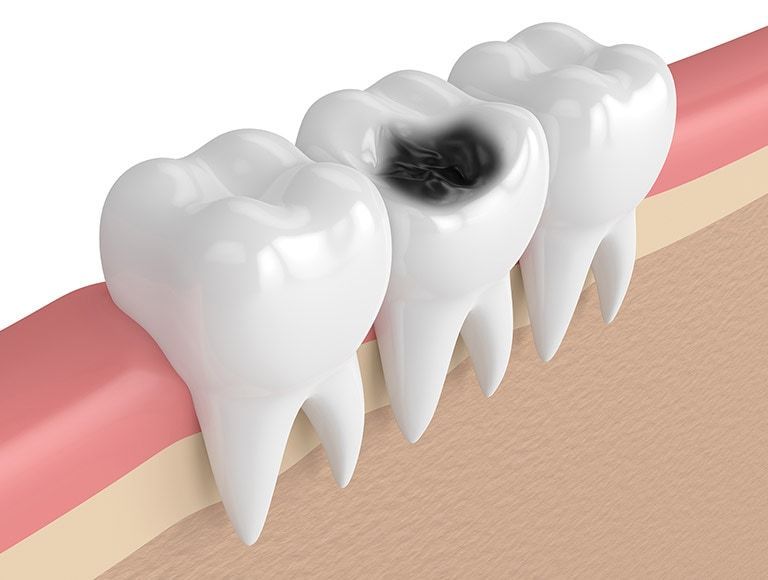
Risk of Infection
If your tooth shows signs of a potential infection, one of our skilled dentists will assess the situation and, if necessary, perform an extraction to prevent more severe and painful complications down the line.
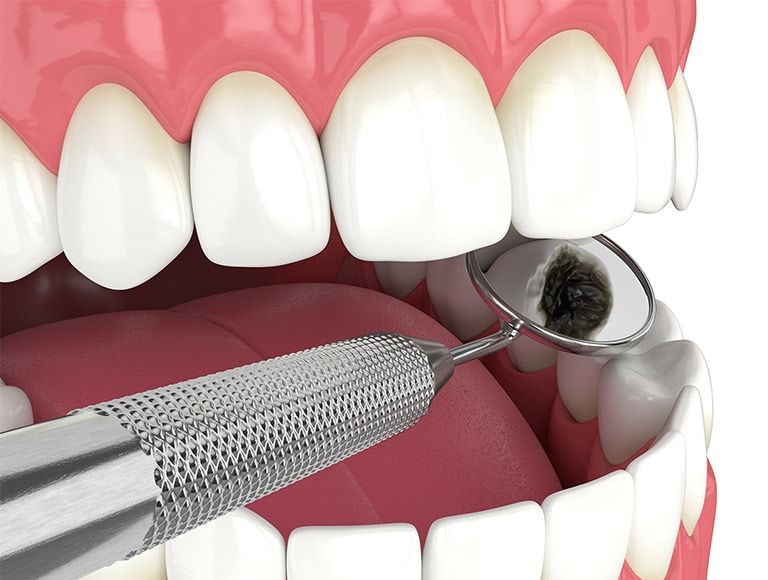
Pulp Infection
The center of a tooth, known as the pulp, houses the blood vessels and nerves. If the pulp becomes decayed, damaged, or infected, extraction may be necessary. In some cases, a root canal can effectively treat pulp infections. The expert team at Rockwest Dental will carefully evaluate your condition and recommend the best treatment option for you.
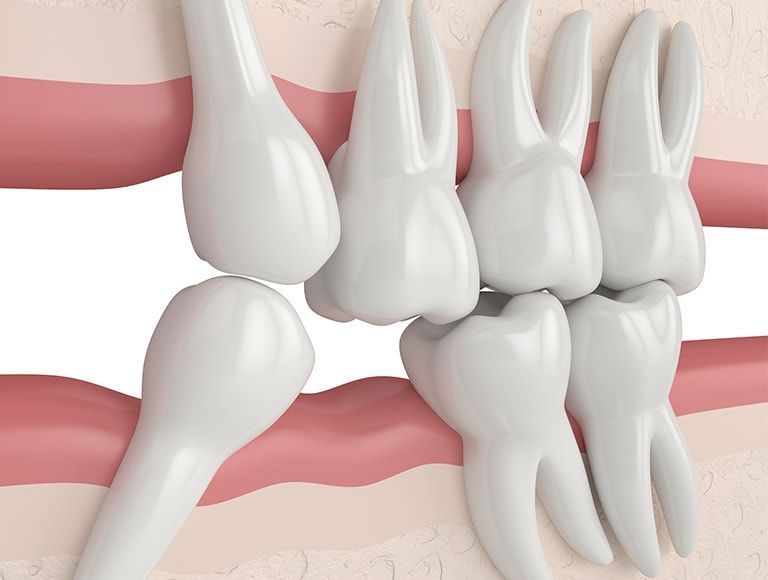
Impacted Tooth/Crowding
In some cases, teeth fail to fully emerge through the gum due to insufficient space in the mouth caused by crowding. To prevent damage to surrounding teeth, the dentist may recommend extracting the affected tooth. This is particularly common with wisdom teeth. At our Mississauga dental clinic, we specialize in wisdom tooth extractions to address such issues effectively.
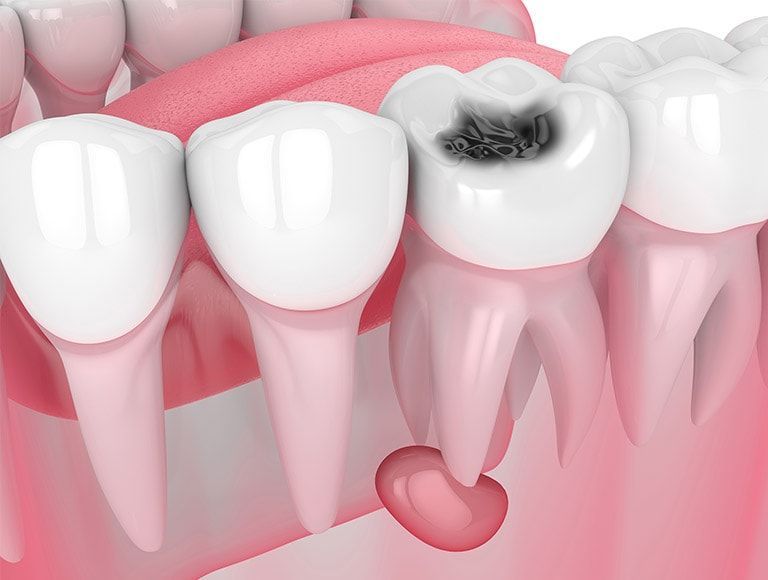
Gum Disease
Swollen or discolored gums can be a sign of gum disease. If a tooth becomes loose under these conditions, extraction may be necessary to prevent the infection from spreading to nearby teeth.
Simple and Efficient Tooth Extractions
The simple tooth extraction procedure begins by numbing the area with local anaesthetic. One of our Mississauga dentists will then carefully loosen and remove the tooth. A blood clot will naturally form in the tooth socket, and gauze will be provided to help control bleeding. In some cases, stitches may be needed at the extraction site. You’ll receive detailed aftercare instructions and a follow-up appointment if necessary.
Here are the two main types of tooth extraction and how they are performed:
Simple Extraction
The tooth extraction process begins with anesthesia to numb the area. The dentist uses an elevator to loosen the tooth by separating surrounding tissues. Once loosened, the tooth is carefully removed with forceps for a painless experience.
Surgical Extraction
Surgical extractions are performed for hard-to-reach or partially erupted teeth. After administering anesthesia, the surgeon makes a gum incision for access. If needed, the tooth is broken into smaller pieces for easier and precise removal.
What to Do After a Tooth Extraction
After your tooth extraction, the dentist will give you clear instructions on how to care for an extraction socket. Depending on the complexity of the procedure, medication may be recommended to support your recovery. If you experience swelling, applying a cold compress to your cheek as directed can help reduce discomfort.
Post-Extraction Care: What to Eat After a Tooth Extraction
For the first 24 hours after a tooth extraction, stick to soft foods such as soup, pudding, yogurt, or applesauce. Make sure these foods are not excessively hot. Gradually reintroduce more solid foods as your mouth heals, while avoiding chewing directly on the extraction site. Following your dentist’s instructions about what to eat after tooth extraction can help protect the blood clot and support healing.

Drink Tips to Follow After a Tooth Extraction
During the first 24 hours after your tooth extraction, avoid drinking alcohol or using a straw, as the suction can disrupt healing. Steer clear of hot beverages like coffee and tea, and don’t add ice to your drinks, as extreme temperatures can cause discomfort at the extraction site.

How Long Does a Tooth Extraction Take to Heal
Tooth extraction recovery time varies depending on the type of extraction, the tooth involved, and your individual healing response. Initial healing commonly takes about one to two weeks, although the socket and underlying bone continue healing afterward. Contact your dentist if you experience severe or worsening pain, persistent bleeding, increasing swelling, or other concerning symptoms.

Emergency Tooth Extraction
In some cases, patients may require urgent dental care for a severely damaged or infected tooth. A dental abscess, for example, can develop when bacterial infection leads to a pocket of pus. Your dentist will assess whether the tooth can be treated or whether an extraction is necessary.
Dental trauma can also cause a tooth to become severely fractured or dislodged. If the tooth cannot be saved, a broken tooth extraction in Mississauga may be recommended. Rockwest Dental Clinic provides emergency dental care in Mississauga, so contact our team promptly if you have significant pain, swelling, bleeding, or dental trauma.
Rockwest Dental Clinic is proud to offer emergency tooth extraction services in Mississauga. If you need urgent dental care, don’t hesitate to contact us right away.
Emergency Tooth Extraction
Sometimes patients require emergency dental services for tooth extraction. A severely abscessed tooth would lead to an emergency tooth extraction. A tooth abscess is caused by a bacterial infection. It is a pocket of pus that typically forms due to an untreated dental cavity or injury. If the abscess is untreated, it can cause complicated and fatal issues.
Another emergency tooth extraction situation is a hemorrhage following an accident or injury. If a tooth has been partially knocked out of place and is uncontrollably bleeding from the tooth root, it will require urgent extraction.
Rockwest Dental Clinic is thrilled to be able to accommodate emergency tooth extraction services in Mississauga. Contact us immediately if you require urgent dental care.
Tooth Extraction FAQs
Please read our frequently asked tooth removal questions and answers below. If you have additional concerns, schedule a tooth extraction consultation with our team.
How long does a tooth extraction take?
A tooth extraction can take anywhere from five minutes to forty-five minutes, depending on whether it’s a simple extraction or a surgical extraction.
How long after tooth extraction can I eat?
You can usually eat about an hour after your tooth extraction. Before eating, carefully remove the gauze pad as directed by your dentist. For the first 24 hours following your procedure, choose soft, easy-to-chew foods and avoid anything hard, crunchy, spicy, or very hot that could irritate the extraction site. Try to chew on the opposite side of your mouth and avoid using a straw, as the suction could disturb the blood clot that forms over the extraction site and interfere with healing.
How long does the pain last after a tooth extraction?
The amount of pain or discomfort you feel following your tooth extraction will depend on the severity of the procedure, i.e. how many teeth were extracted and whether it was simple or surgical. Your dentist may prescribe you painkillers for a more intense procedure. If you have not been prescribed painkillers, ibuprofen and a cold compress should help. If your pain is worsening for more than five days following the procedure, contact the Dentist immediately.
What should a tooth extraction look like when healing? What does a blood clot after tooth extraction look like? How long does a blood clot last after tooth extraction?
When your tooth extraction is healing, a blood clot with form in the socket. The blood clot will look like a wet, red scab. Your body will then build tissue to cover the wound. The tissue comprises collagen, white blood cells and blood vessels and will be a creamy white colour. The blood clot will last as long as the tissue takes to cover the wound, usually around seven to ten days.
How do I stop the bleeding after tooth extraction?
Your dentist will provide you with a gauze pad following the procedure. Bite firmly yet gently on the pad and change gauze pads once one has become soaked in blood. You should leave the pad in place for about four hours following your tooth extraction to stop bleeding. If bleeding persists after 24 hours following your extraction, contact your dentist.
How do I get rid of infection after tooth extraction?
If you have an infection after a tooth extraction, contact your dentist for an antibiotic prescription. We will diagnose the problem and come up with a treatment plan. You may have an infection if the following is true for you:
• The pain and/or swelling gets worse after 24 hours
• The extraction site bleeds for over 24 hours
• You notice an unusual smell in your mouth
• You notice discharge in your mouth
For regular tooth extraction, how long after the extraction should you wait in order to get an implant?
Patients will usually have to wait a minimum of four months after the extraction before getting a dental implant.
For regular tooth extraction, how long after the extraction should you wait in order to get a bridge?
Patients will usually have to wait approximately one month after the extraction before getting a bridge.
Schedule Your Tooth Extraction Appointment Today
Rockwest Dental Clinic is here to provide stress-free tooth extraction in Mississauga and restorative dental treatments. If you have a damaged, fractured, infected, or loose tooth that may need removal, schedule an assessment with our team today.